

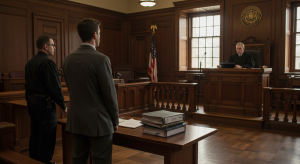
A bail hearing, also known as a “judicial interim release” or “show cause” hearing, is a fundamental, time-sensitive process in the criminal justice system. It’s the moment when a judge or justice of the peace decides whether a person accused of a crime will be released from custody while awaiting their trial, or detained (kept in jail). This decision must be made quickly; typically, the hearing occurs within 24 hours of the arrest if the police haven’t already released the accused.
The core purpose of the bail hearing is rooted in the presumption of innocence. The law favors releasing the accused unless the prosecution (the Crown) can demonstrate a “just cause” for detention.
The Three Grounds for Denying Bail
The Crown must convince the court on one of three main grounds for why the accused shouldn’t be released:
- Primary Ground (Flight Risk): Is there a substantial likelihood that the accused will fail to show up for their court date? The court considers factors like the seriousness of the charge, the potential sentence, and the accused’s ties to the community (job, family, residence).
- Secondary Ground (Public Safety): Is the detention necessary for the safety or protection of the public? This includes the safety of victims and witnesses, and assessing the likelihood of the accused committing another criminal offense while on bail. The court looks at the nature of the crime, whether a weapon was involved, and the accused’s criminal history.
- Tertiary Ground (Public Confidence): Is the detention necessary to maintain public confidence in the administration of justice? This is typically reserved for very serious cases, where releasing the accused, even with conditions, would undermine the public’s faith in the justice system.
In most cases, the onus (burden of proof) is on the Crown to show cause for detention. However, for certain serious offenses (like murder or committing an offense while already on bail), a reverse onus applies, meaning the accused must demonstrate why they should be released.